The Mechanics of the Social Battery
The social battery is a physiological reality rather than a mere metaphor. It represents the finite cognitive and emotional energy available for external interaction. When you engage with the world, your brain is constantly processing verbal and non-verbal cues, which places a heavy demand on your prefrontal cortex. Understanding this mechanic is the first step in designing a space that actually recharges you rather than just housing you.
Why Modern Life Requires a Recovery Protocol
Modern existence is characterized by a state of constant visibility. Whether in person or through a screen, many people are perpetually performing. This constant exteriority leads to a specific type of fatigue that cannot be solved by sleep alone. You need a dedicated protocol to move your nervous system from a state of high-performance alert into a state of deep restoration. Without this intentionality, you remain in a low-level state of stress even when you are technically at rest.
The Distinction Between Passive Rest and Active Restoration
Passive rest often looks like mindless consumption or scrolling, which can actually leave you more depleted. Active restoration is an intentional environmental shift that allows your brain to settle. It requires a physical space that signals safety and stability to the amygdala, allowing for a genuine mental reset. Active restoration is about using your surroundings to facilitate the transition from a sympathetic nervous system state to a parasympathetic one.
Engineering the Entry: The Decompression Chamber
The entrance to your home should not be an afterthought. It is the most important transitional space in your environment. Designing a decompression chamber — a dedicated area between the outside world and your inner sanctum — is vital for shedding the residue of social performance. This area serves as a physical and psychological buffer that allows you to leave the public version of yourself at the door.
The Psychological Function of a Transitional Space
A transitional space acts as a threshold. When you cross it, you should feel a distinct shift in your internal state. If your home opens directly into a high-activity area like a kitchen or living room, the brain struggles to recognize that the performance has ended. A foyer or a well-defined entry hall provides the necessary distance to begin the restoration process before you fully enter your personal interiority.
How Physical Rituals Signal the End of Social Performance
Specific physical actions can reinforce the transition from public to private life. Placing your keys in a dedicated bowl, changing your footwear, or dimming the lights in the entryway are all signals to the brain that the social demands of the day are over. These rituals create a clear boundary, helping you to disengage from external expectations and reconnect with your internal needs.
"The entryway is not a functional space. It is a ritual space. It is where you make the deliberate choice to stop performing and start existing."
Sensory Regulation for the Overstimulated Mind
Overstimulation is the primary enemy of a mental reset. Throughout the day, your senses are bombarded with high-contrast visuals, loud noises, and artificial light. Your home must be engineered to counteract this sensory load. By regulating the inputs your brain receives, you can accelerate the recovery of your social battery and restore your cognitive clarity.
Managing Light for Biological Recovery
Light is the most powerful tool for biological regulation. Standard bright overhead lighting keeps the brain in a state of high alertness, which is the opposite of what is needed for restoration. By managing your lighting, you can guide your body back to its natural rhythm. This is not about darkness, but about choosing the right quality of light for the time of day and your current energy level.
Choosing Lumens That Support the Circadian Shift
As you move into the evening, you should shift away from high-intensity lighting. Lowering the lumen count in your living spaces signals the brain to begin producing melatonin. Using multiple, low-intensity light sources — such as floor lamps or wall sconces — creates a more diffused and calming environment than a single bright overhead light.
The Impact of Color Temperature on Cortisol Reduction
The color temperature of your lighting is just as important as the brightness. Cool, blue-spectrum light is effective for alertness but keeps cortisol levels elevated. Warm, amber-toned light mimics the natural sunset and encourages the nervous system to downregulate. Replacing standard bulbs with warmer alternatives in your sanctuary areas can have a measurable impact on your ability to decompress.
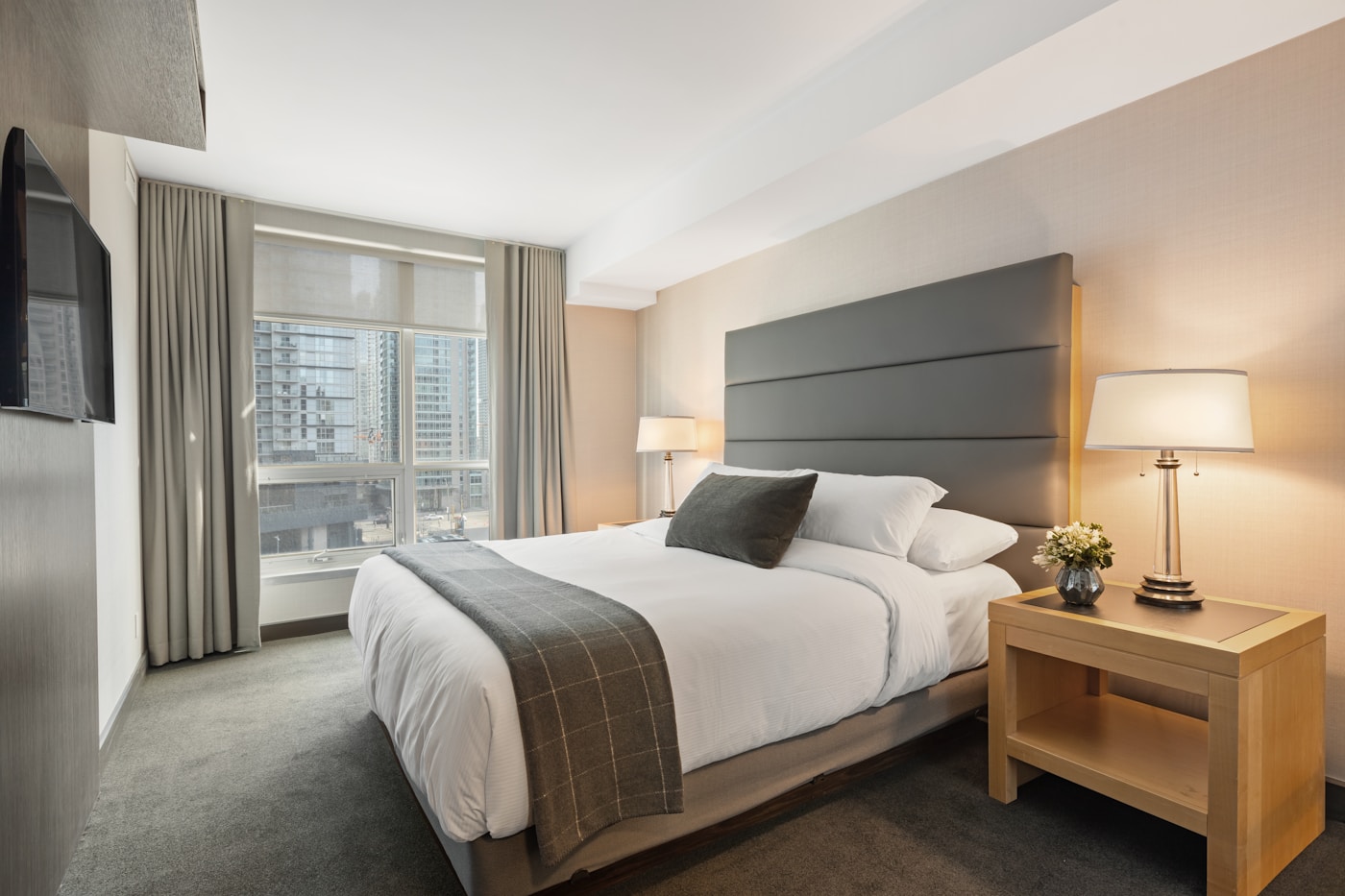
Amber-toned light: a biological intervention for circadian alignment and cortisol reduction.
Acoustic Stillness and the Sonic Perimeter
Sound carries the energy of the world. In cities and offices, the background hum of traffic and electronics creates a constant state of low-level agitation. Creating acoustic stillness is essential for a complete mental reset. Your home should function as a sonic perimeter that protects your interiority from the residual noise of social exteriority.
Mitigating the Residual Echo of Social Noise
Social noise is not just loud music or voices; it is the chaotic sound profile of modern life. Even when you are home, the echo of hard surfaces can keep your brain on high alert. Softening the acoustic profile of your restoration areas allows the mind to settle. This creates a sense of enclosure that is vital for deep rest and recovery.
Materials That Absorb External Interference
The materials you choose for your home dictate its acoustic quality. Hard surfaces like tile and stone reflect sound, while soft materials like wool rugs, heavy curtains, and fabric wall panels absorb it. By intentionally selecting materials that dampen sound, you can create a quiet sanctuary that shields you from external interference and allows for a more profound mental reset.
Haptic Grounds: Tactile Interaction for Nervous System Stability
The sense of touch is often overlooked in home design, but it is one of the most effective ways to ground the nervous system. The haptic feedback you receive from your surroundings can either stimulate or calm you. Prioritizing materials that offer a grounding tactile experience is a key component of a high-utility sanctuary.
The Connection Between Texture and Emotional Regulation
Touching natural, solid textures provides a sense of stability and presence. When you are overstimulated, your brain often feels unmoored. Interacting with substantial materials helps you reconnect with your physical body. The texture of a linen cushion or the weight of a stone table sends a signal of security to the brain, helping to regulate your emotional state.
Prioritizing Solid Surfaces and Natural Fibers
Avoid synthetic and flimsy materials that feel temporary or abrasive. Instead, prioritize solid wood, natural stone, and organic textiles like wool or cotton. These materials have a weight and a presence that synthetic alternatives cannot match. The physical substantiality of your environment reinforces a sense of internal stability, making your recovery more effective.
Maintaining the Recovery Engine
A sanctuary is not a static object; it is a system that must be maintained. If your restoration space becomes a storage area for the clutter of your public life, it loses its utility. Keeping your environment clear is a prerequisite for keeping your mind clear. Regular maintenance ensures that your recovery engine is always ready when you need it.
The Friction of Household Clutter on Mental Clarity
Clutter is a source of physical and mental friction. Every object that is out of place represents a task that has not been completed. This visual clutter keeps the brain in a state of low-level task-switching, which prevents a full reset. By keeping your recovery areas minimalist and organized, you remove the friction that slows down your social battery recharge.
Sustainable Interiority: Returning to the World
The goal of a high-utility sanctuary is not to escape the world permanently, but to prepare you to return to it with greater resilience. By designing a space that supports the restoration cycle, you ensure that you are always operating from a full battery. This sustainable approach to interiority allows you to navigate the demands of social exteriority without losing your sense of self or your mental clarity.