The Methodology
The Blueprint
A declaration of principles. Persona Space is built on the conviction that the physical environment is not a passive backdrop to life — it is an active variable in the quality of thought, the depth of rest, and the integrity of connection.
3
Core Pillars
6
Published Frameworks
1
Central Philosophy
What we believe, and why it matters
Every article published on Persona Space is rooted in one or more of three foundational disciplines. Together, they form a coherent methodology for the intentional design of life.
01
Neuro-Aesthetics
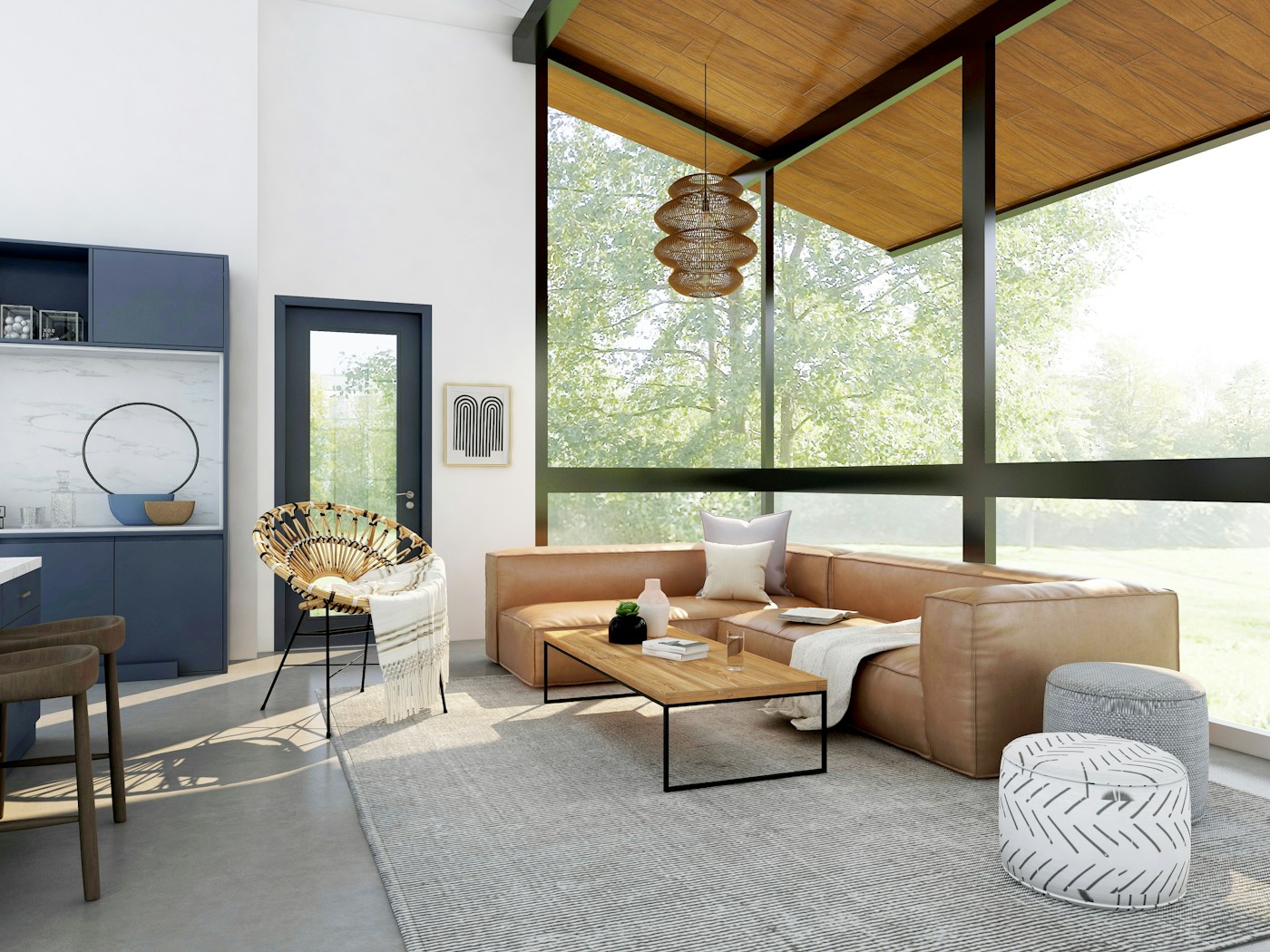
The science of how physical environments directly influence neurological states. From the way ceiling height affects abstract cognition, to the role of natural materials in regulating cortisol — neuro-aesthetics treats interior design as a biological intervention rather than a decorative choice.
02
Relational Intelligence
The capacity to perceive the hidden architecture of social interaction. Understanding the unspoken dynamics of a room, cultivating non-performative presence, and designing the physical environment to facilitate genuine, deep-structure connection rather than transactional surface socializing.
03
Architecture as Cognitive Strategy
The practice of treating physical space as an external component of executive function. Spatial anchoring, peripheral neutrality, and the elimination of cognitive micro-friction are not comfort upgrades — they are performance requirements for those operating at the highest levels of intellectual and creative work.
The Central Philosophy: Interiority as Infrastructure
We live in an era of extreme exteriority. Social performance has been amplified from a social obligation into a perpetual broadcast. The result is a generation of high-functioning individuals who are perpetually drained, unable to locate genuine rest because their environments provide no biological cues to stop performing.
Persona Space is a counter-position. We argue that the most strategic investment a person can make is in the quality of their private world — the architecture of their home, the design of their workspace, and the intentionality of their social circle.
"Quiet luxury is not a price point. It is a set of values made physical. It is the refusal to design for the gaze of others — and the discipline to build a world that serves the person you are becoming."
Why "Quiet Luxury" Is a Cognitive Framework
The cultural conversation around quiet luxury is typically limited to aesthetics: muted palettes, high-quality materials, the absence of logos. These are symptoms, not causes. The underlying logic of quiet luxury is about cognitive load reduction. A home that does not need to announce its value to every guest is a home that does not require constant maintenance, justification, or explanation.
When you stop designing for external validation, your home becomes available to perform a different function — one that serves your biology, your creativity, and your capacity for genuine connection.
The Nervous System Regulation Principle
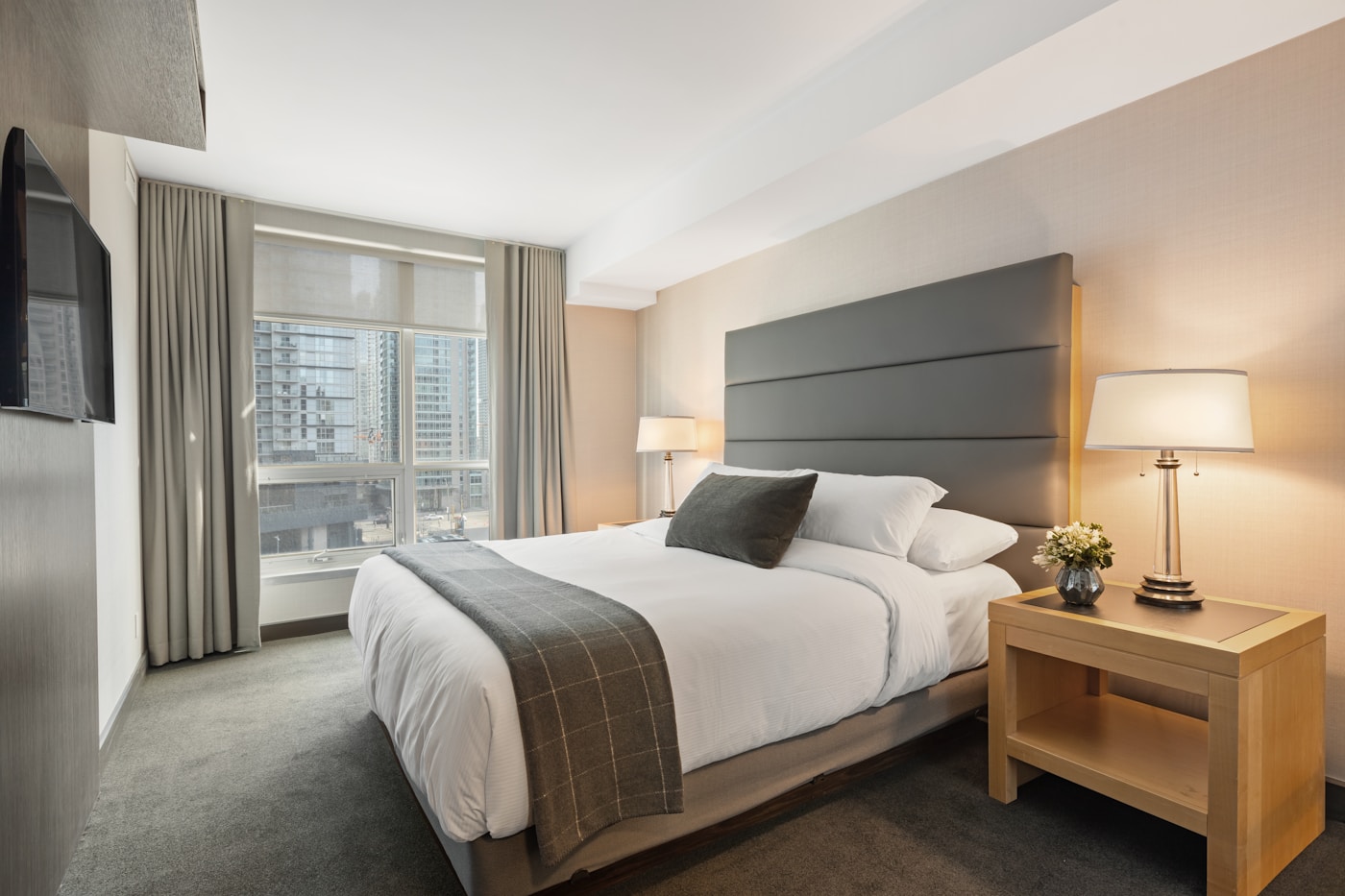
At the heart of neuro-aesthetic design is a simple principle: your nervous system is constantly scanning your environment for data. The quality of that data determines whether your brain operates in a sympathetic (high-alert, performance) state or a parasympathetic (rest, restoration) state. Most modern homes, by accident of design, keep the nervous system in a low-level state of alert — not stressed enough to notice, but too activated to truly rest.
The neuro-aesthetic home is engineered to reverse this default. By managing visual complexity, acoustic quality, lighting temperature, and haptic surfaces, it is possible to create an environment that the brain recognizes, on a biological level, as safe. This is the primary goal of every framework we publish.
The Social Architecture Principle
Most social circles are formed by proximity and inertia. The people around us are often there by accident — colleagues, neighbors, former classmates. There is nothing wrong with these relationships, but when they form the entire architecture of your social life, they create a ceiling on your growth.
Relational intelligence is the practice of understanding the structural dynamics of social environments and designing them with the same intentionality applied to physical spaces. This includes the physical layout of gatherings, the rituals that sustain community over time, and the curation of a core circle that reflects your values rather than your geography.
A Note on Method
Every framework published on Persona Space is the result of synthesizing peer-reviewed environmental psychology, architecture theory, and practical design application. We do not advocate for any single aesthetic style. Our position is that the best-designed home for you is the one most precisely calibrated to your biological and psychological needs — regardless of whether that looks like a wabi-sabi Japanese interior or a Scandinavian cabin.
What unifies all of these approaches is the underlying principle: your environment is a tool, and like any tool, it should be chosen and maintained with intention.
Ready to apply the framework?
Explore the full library of Persona Space frameworks, each one a deep dive into a specific dimension of intentional environmental design.
Explore the Articles