Your Environment is a Biological Variable
The physical space you inhabit is not a static backdrop. It is a constant stream of data that your nervous system must process. Every shadow, texture, and sound frequency impacts your cortisol levels and heart rate variability. When you understand that your home is an extension of your biological state, you can begin to engineer it for recovery rather than performance. Viewing your floor plan as a biological map allows you to move beyond aesthetics and toward functional health.
How Visual Complexity Triggers the Amygdala
Our brains are hardwired to scan for threats in complex environments. A space filled with high-contrast patterns or excessive visual noise forces the brain into a state of hyper-vigilance. Reducing visual complexity is the first step in signaling to your amygdala that it is safe to downregulate. By simplifying the visual field, you reduce the background processing power required to exist in your own home. This creates immediate mental breathing room.
The Subtle Stress of Peripheral Distractions
Objects in your peripheral vision require constant, subconscious processing. Even if you are not looking directly at a pile of mail or a tangled cord, your brain is tracking its presence. Removing clutter from the edges of your primary focus areas helps preserve your cognitive energy for deep work and intentional rest. Clean sightlines act as a physiological reset, allowing your eyes to rest without being pulled toward unresolved visual tasks.
"Your home is not where you go after work. It is where your nervous system goes to rebuild itself. Every design decision is a biological decision."
Light and the Circadian Rhythm Architecture
Light is the most powerful external cue for your internal clock. Most homes are lit for visibility rather than biology, which disrupts the natural transition from alertness to rest. Architecture that ignores the sun forces the body into a state of permanent misalignment. Integrating light into your daily strategy means treating windows and lamps as health interventions.
Optimizing for Melatonin and Focus
Proper lighting design follows the sun. High-intensity, blue-spectrum light is necessary for morning alertness but becomes a disruptor in the evening. By layering your lighting, you can automate the body's transition into sleep mode without relying on external supplements. Overhead lighting should be reserved for high-energy morning tasks, while floor lamps and wall sconces provide the dim, warm glow needed for evening decompression.
Managing the Blue Light Tax in Evening Transitions
As the day ends, your environment should shift toward warmer, lower-intensity light sources. This mimics the natural sunset and allows for the gradual onset of melatonin. Managing this transition manually or through smart systems ensures that your brain receives the correct signal at the correct time. This reduces the friction between your workday and your rest period.
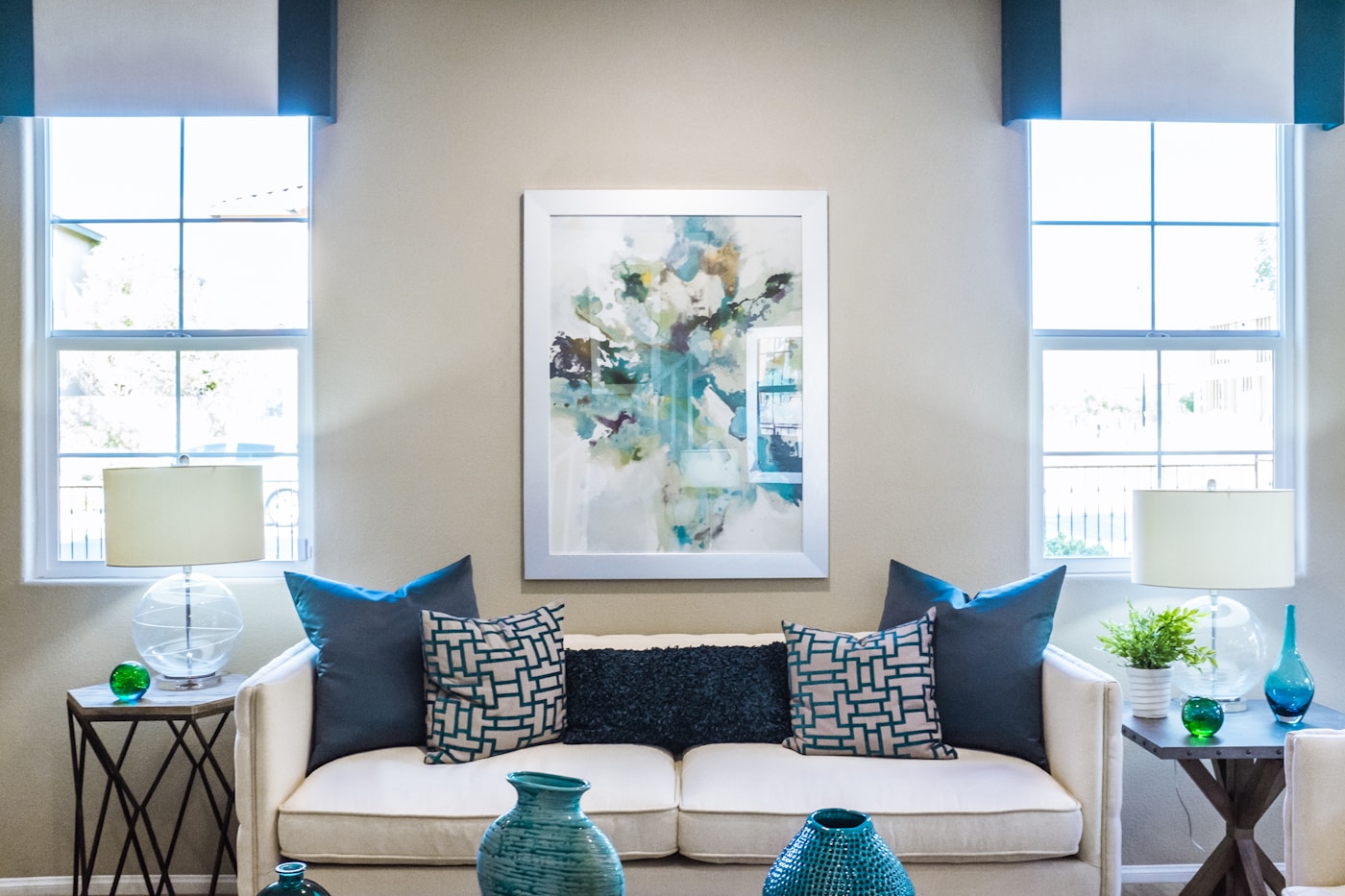
Amber-toned evening light: a design intervention, not a decorative choice.
Acoustic Engineering for Mental Clarity
Silence is often a luxury, but total silence can be as jarring as noise. The goal of neuro-aesthetic design is not the absence of sound, but the presence of frequencies that support the parasympathetic nervous system. Sound travels differently through various materials, and how a room rings determines how you feel within it.
The Difference Between Silence and Stillness
True stillness comes from a balanced acoustic environment. Hard surfaces reflect sound, creating a chaotic echo effect that heightens anxiety. This is why high-ceilinged galleries often feel cold and stressful. Softening these surfaces with rugs, heavy curtains, or acoustic panels allows for a more controlled, grounding auditory experience. You want your home to absorb your stress, not bounce it back at you.
Softening the Social Battery Drain with Soundscapes
Using sound as a structural element — such as white or brown noise — can mask intrusive external sounds that interrupt your recovery. This creates a sonic perimeter around your personal sanctuary. By controlling the soundscape, you protect your focus from the unpredictability of the outside world, making it easier to maintain a state of calm.
Haptic Intelligence: The Surfaces That Calm You
Your skin is your largest sensory organ. The materials you touch daily — your desk, your bedding, your flooring — provide a constant feedback loop to your brain. Synthetic materials often feel sterile or abrasive, whereas natural fibers offer a grounding tactile experience. The sensation of a linen sheet or a solid wood table sends a signal of stability to the brain.
Natural Fibers and the Parasympathetic Response
Materials like wood, linen, and stone have a specific tactile frequency. Touching natural textures has been shown to lower heart rates and promote a sense of physical security. These materials age with grace and carry a weight that synthetic alternatives cannot replicate. By prioritizing high-quality, natural surfaces, you create a home that feels substantial and protective.
Designing a Sanctuary for High-Stakes Recovery
Recovery is a mechanical process. It does not happen by accident; it happens because your environment permits it. By treating your home as a high-utility headquarters for your nervous system, you ensure that you return to the world with a full social battery and a clear mind. When the architecture of your life supports your biology, resilience becomes your natural state.