The End of Accidental Connection
Most social circles are formed through the passive path of proximity. People gravitate toward those they see most often — colleagues, neighbors, or former classmates. While these relationships are convenient, they are often accidental rather than intentional. This reliance on shared geography frequently fails to provide the intellectual or emotional depth required for a high-utility life. To build a community that actually serves your growth, you must move beyond the accidental circle and start designing your social landscape with the same precision you apply to your professional trajectory.
Why Proximity Isn't Enough for Genuine Community
Shared space does not guarantee shared values. Just because you inhabit the same building or office does not mean your internal identities align. Many people spend years maintaining ties with individuals simply because they are nearby, leading to a sense of social stagnation. Genuine community requires a common architectural framework for how you view the world. Without this foundation, you are merely occupying space with strangers who happen to be familiar.
The High Cost of Surface-Level Socializing
There is a significant metabolic cost to maintaining a network that remains entirely on the surface. Shallow interactions require a form of social performance that drains your energy without offering any meaningful return. This exteriority tax leaves you feeling isolated even when surrounded by people. By shifting your focus from the quantity of your connections to the structural integrity of a few core relationships, you protect your personal interiority and build a much stronger support system.
The Framework of Relational Intelligence
Relational intelligence involves reading the hidden structures of a social interaction. It is the ability to perceive the unspoken dynamics of a room and understand the psychological currents at play. This is not about manipulation or social climbing; it is about becoming an observant participant who can facilitate more honest and useful exchanges. When you understand the architecture of a conversation, you can navigate it with greater ease and sincerity.
Observing the Structural Dynamics of a Group
Every gathering has an invisible blueprint that dictates how people interact. This includes power dynamics, comfort levels, and the unspoken rules of the group. A social architect learns to map these dynamics in real-time. By identifying who holds the center of gravity and where the tension points lie, you can adjust your own presence to bring balance to the environment.
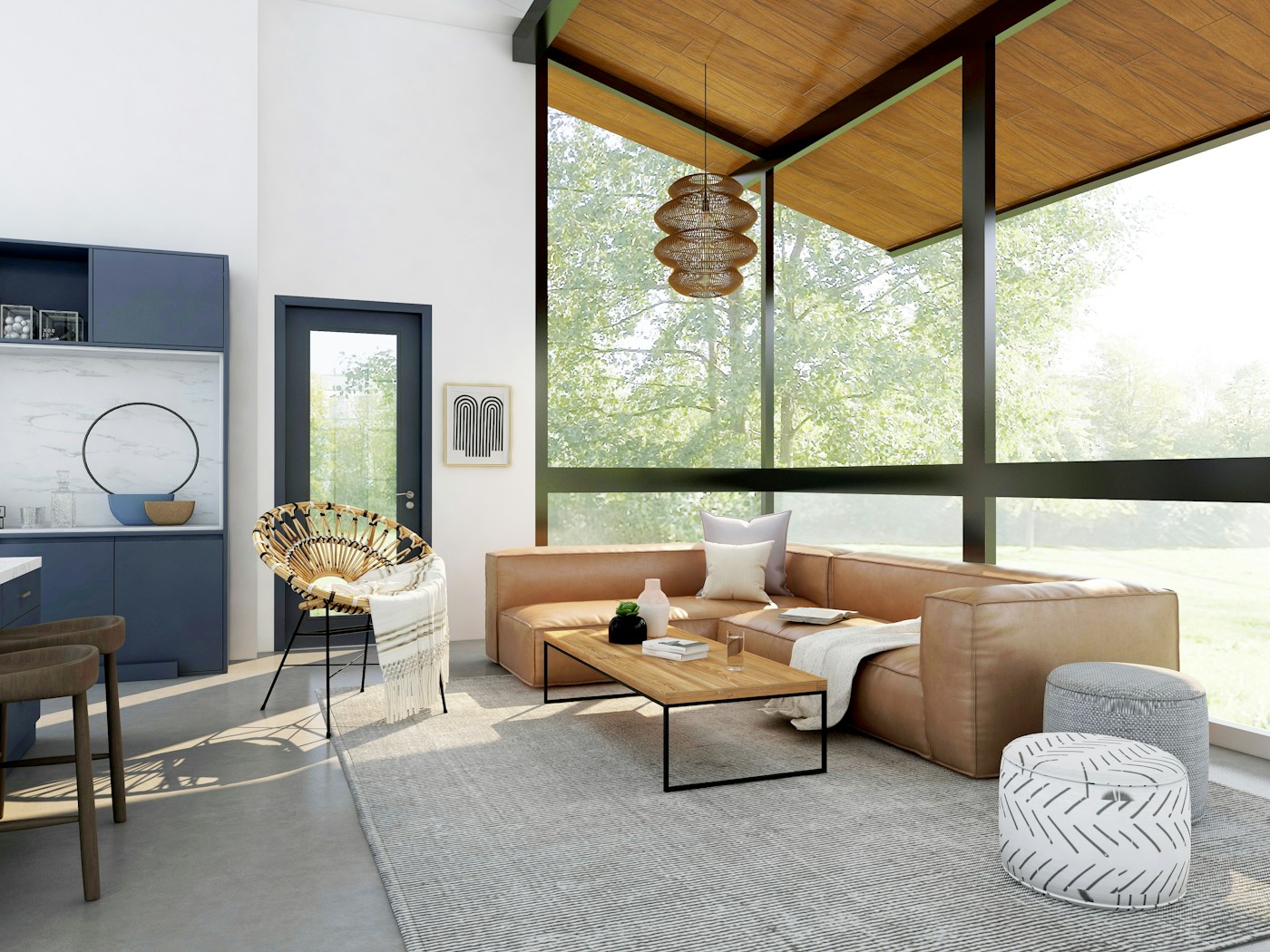
The invisible blueprint of a gathering: how physical arrangement dictates social depth.
Decoding Social Exteriority and Personal Interiority
Most people operate behind a mask of social expectation, which represents their exteriority. Their true thoughts, fears, and aspirations make up their interiority. Relational intelligence is the bridge between these two states. The goal is to create a safe structural environment where people feel they can lower their guard. This allows for a transition from performance-based interaction to something much more grounded and authentic.
Developing a Non-Performative Presence
Connection is often stifled by the need to perform. When you are focused on how you are being perceived, you cannot be truly observant or present. Developing a non-performative presence means grounding yourself in your own identity so that you don't need to lean on social scripts. This stability makes you a more reliable anchor in a group, encouraging others to drop their own performances and engage with you on a more substantial level.
"The most valuable thing you can offer a social environment is your genuine presence. Not your performance. Not your curated self. Your actual attention."
Designing the Environment for Connection
The physical environment dictates the psychological outcome of any social gathering. You cannot expect deep-structure dialogue in a space that signals transit or high-volume noise. The architecture of the room is the silent facilitator of the interaction. By making intentional choices about lighting, sound, and spatial volume, you set the stage for the type of connection you want to occur.
How Physical Space Influences Verbal Depth
Physical factors like ceiling height and lighting levels have a measurable impact on conversation. Lower ceilings and warm, dim lighting signal to the nervous system that it is safe to settle in. This physiological sense of safety is a prerequisite for vulnerability and deep thought. When the environment is calibrated for comfort, the conversation naturally moves away from surface-level topics and toward more significant ideas.
The Social Physics of Room Layout and Furniture
The way furniture is arranged either invites or discourages collaboration. Circular seating arrangements eliminate hierarchy and encourage eye contact, whereas linear or fragmented layouts can create a sense of distance and confrontation. A social architect understands the physics of the room and arranges the furniture to support the democratic flow of ideas.

Proxemics and seating: the silent rules governing how people engage with one another.
Establishing Intentional Rituals
Community is not built through one-off grand gestures but through the quiet consistency of shared rituals. Rituals remove the decision fatigue often associated with socializing. When the structure of the meeting is pre-determined, the participants can focus entirely on each other rather than the logistics of where, when, or how they will meet.
Replacing One-Off Meetings with Shared Consistency
The cycle of "let's grab coffee sometime" is a high-friction social model that often leads to nothing. High-utility social lives are built around recurring rituals — weekly walks, monthly dinners, or quarterly retreats. This consistency builds a shared history and a sense of belonging that cannot be manufactured in a single night. It turns a group of individuals into a cohesive community.
The Utility of Low-Friction Social Systems
A ritual acts as a social operating system. Once the system is established, it runs in the background. This low-friction approach ensures that the community remains sustainable even during busy or stressful periods. By automating the "when" and "where," you preserve your mental energy for the actual work of relating to one another.
Curation as a Tool for Personal Growth
You are the primary curator of your social environment. This responsibility is not about being exclusive for the sake of status, but about protecting the integrity of your personal development. The individuals you allow into your inner circle act as a feedback loop for your own identity. If that circle lacks intentionality, your own growth will be limited by the collective average.
The Responsibility of Selecting Your Circle
Selecting your circle is a strategic act. You should seek out individuals who challenge your thinking and support your evolution. This curation ensures that your social environment is an asset rather than a liability. When your circle is composed of people who value intentional living and relational intelligence, the entire group benefits from the shared pursuit of self-optimization.
Protecting the Integrity of Your Social Headquarters
Your primary social group is your headquarters for restoration and recalibration. It should be a place where you can return to find clarity and support after navigating the complexities of the exterior world. Protecting the integrity of this group means being mindful of who you invite in and ensuring that the shared values of the community remain the priority. This is the final step in becoming an architect of your own social reality.